Cost of Chipmunk Removals
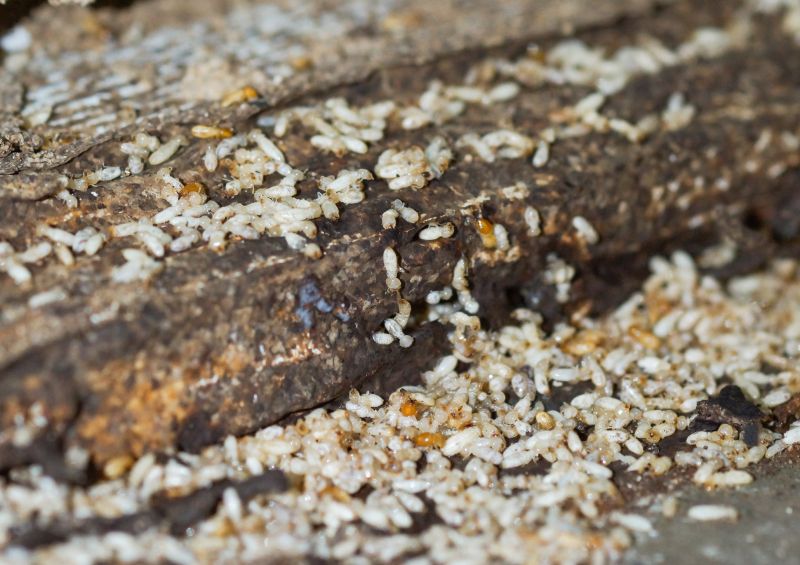
Larger colonies require more time and resources, increasing removal costs.

Expansive properties may need additional equipment and labor, affecting pricing.

Different techniques, such as trapping or exclusion, vary in cost depending on complexity.
| Factor | Impact on Cost |
|---|---|
| Infestation Size | Small colonies: lower costs; large colonies: higher costs |
| Property Size | Smaller properties: less expensive; larger properties: more expensive |
| Removal Method | Trapping: moderate; exclusion: higher; chemical deterrents: variable |
| Accessibility | Easily accessible areas reduce costs; hard-to-reach spots increase them |
| Location | Urban areas may incur higher fees than rural areas |
| Season | Off-peak seasons might be less expensive |
| Additional Services | Repairs or habitat modifications add to total cost |
The cost of chipmunk removal varies significantly based on the scope of the infestation and the chosen method. Smaller infestations in accessible areas typically incur lower fees, while extensive colonies requiring complex exclusion techniques can lead to higher expenses. Proper assessment and planning are essential to determine the most effective and economical approach.
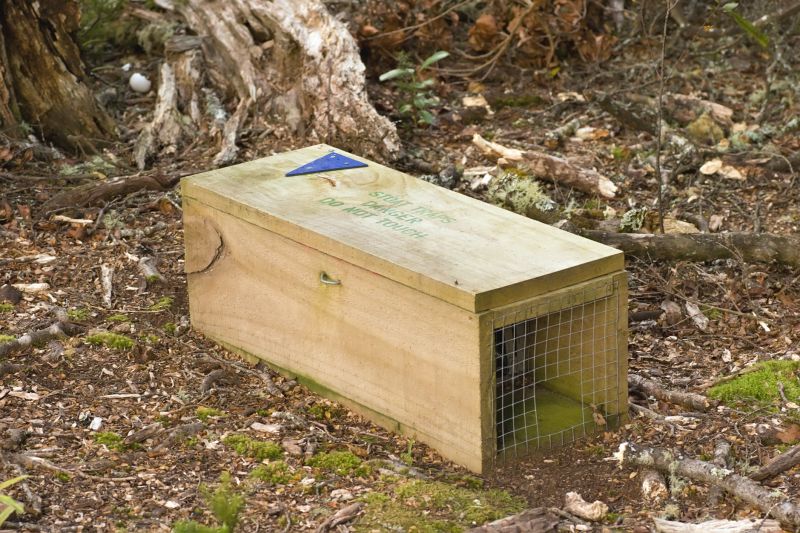
Cost varies depending on trap types and quantity used inside the property.
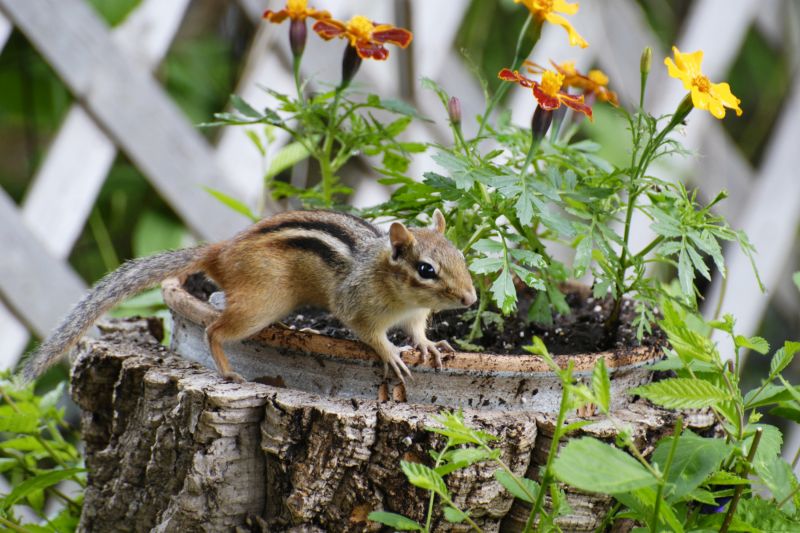
Materials like mesh and sealants are priced based on property size and complexity.
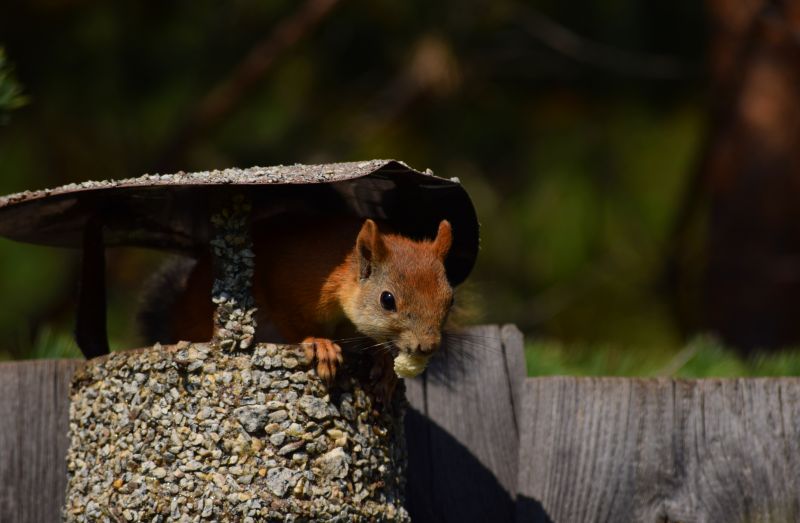
Restoration of entry points and damaged structures influences total expenses.
| Service | Average Price Range |
|---|---|
| Basic Trap Removal | $150 - $300 |
| Comprehensive Exclusion | $500 - $1500 |
| Habitat Restoration | $200 - $800 |
| Structural Repairs | $300 - $1200 |
| Ongoing Monitoring | $100 - $250 |
| Damage Repair | $400 - $2000 |
| Preventive Barriers | $600 - $1800 |
| Wildlife Inspection | $100 - $250 |
| Habitat Modification | $700 - $2500 |
| Custom Solutions | Price varies |